

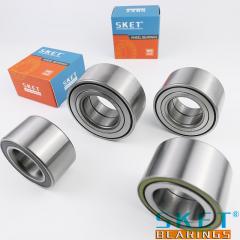
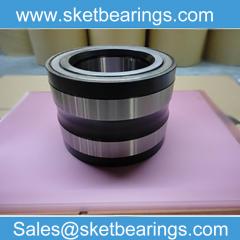
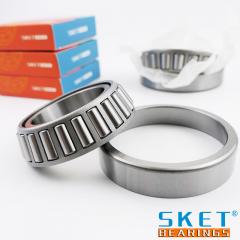
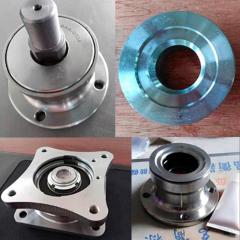

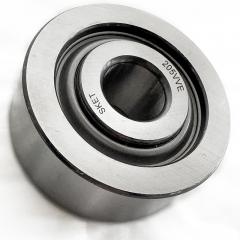

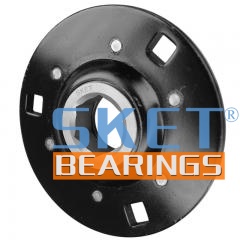
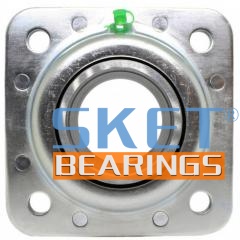
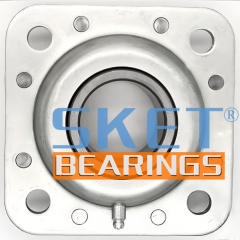
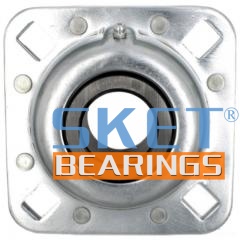
Identifying the correct agricultural bearing model is an important step when sourcing replacement parts for farm machinery. However, replacement buyers do not always have complete product information. Original bearing numbers may be worn, OEM references may be unavailable, and equipment records may not clearly identify the installed bearing.
For agricultural machinery distributors, importers and aftermarket parts suppliers in markets such as Brazil and Argentina, these issues can make replacement sourcing more difficult, particularly when handling older equipment or multiple bearing models.
A reliable identification process should start with the available bearing information, use cross-reference data to find potential replacement models, and verify compatibility before an order is placed. When original markings are missing, bearing photos, dimensions and equipment details can help suppliers investigate the correct model.
1. Start with the Existing Bearing Number and Equipment Information
The first step is to collect the information already available from the existing bearing and the machinery in which it is installed. Even partial markings or incomplete equipment records can provide useful starting points.
1.1 Check the Existing Bearing Number and Markings
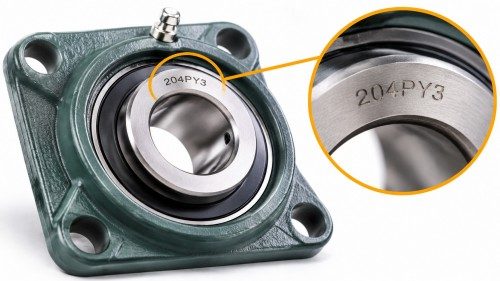
Inspect the bearing for model numbers, manufacturer markings and suffixes. These may appear on the bearing ring, side face or other visible surfaces.
When recording the marking, include the complete code rather than only the main model number. Suffixes can indicate differences in bearing design, sealing, clearance or other configurations.
If the marking is worn or partially visible, record the characters that can still be identified. Avoid assuming the missing characters based on appearance alone.
1.2 Find the OEM Reference and Equipment Information
A bearing manufacturer's part number and an OEM part number are not necessarily the same.
-
Bearing Manufacturer Part Number: Identifies a bearing model within a manufacturer's product range.
-
OEM Part Number: Identifies a component in an agricultural machinery manufacturer's spare parts system.
Both references can be useful when searching for a replacement, but they should be checked against reliable catalogs or equipment documentation.
Buyers should also collect the following equipment information where available:
-
Machinery manufacturer and model
-
Equipment series or production year
-
OEM spare parts number
-
Bearing installation position
-
Relevant shaft or mounting information
This information helps suppliers narrow down potential bearing models when the original bearing number is incomplete.
2. Cross-Reference Agricultural Bearing Models Before Ordering
Once the original bearing number or OEM reference has been collected, the next step is to identify potential replacement models. Cross-reference information can help buyers find equivalent or corresponding bearing references across different catalogs.
2.1 Compare Original and Replacement Bearing Numbers
Start by checking the original bearing number against manufacturer catalogs and documented cross-reference information.
For example, SKET's 204PY3 agricultural bearing product information lists references including 204FREN, AA21480 and 838607A. These references can serve as starting points when researching a replacement requirement.
However, buyers should verify the exact relationship between each reference before treating them as interchangeable. A reference appearing in a product listing does not automatically mean that every bearing carrying that number has an identical configuration.
2.2 Verify OEM References Against Supplier Catalogs
OEM references can help locate the bearing used in a particular agricultural machine. Buyers can compare the available OEM number with supplier catalogs, product listings and spare parts documentation.
When the same OEM reference appears in multiple sources, check whether the listed bearing descriptions and configurations are consistent. If the information is incomplete, provide the equipment model and installation position to the supplier for further verification.
2.3 Check the Bearing Reference Against the Equipment Model
A bearing reference should also be checked against the machinery application.
Agricultural equipment such as disc harrows, planters, seeders, balers and cultivators may use different bearing arrangements depending on the machine design and installation position.
Confirming the equipment model and bearing location helps reduce the risk of selecting a replacement based on a similar-looking part number alone.
3. Verify Replacement Compatibility Before Placing an Order
Cross-reference information helps identify candidate models, but it does not by itself confirm that a bearing is suitable for replacement.
Once a potential replacement model has been identified, buyers should verify its dimensions, mounting arrangement and product configuration against the original bearing and the equipment requirements.
3.1 Confirm Main Dimensions and Mounting Requirements
Compare the main dimensions of the original bearing and the proposed replacement:
-
Bore diameter
-
Outside diameter
-
Overall width
-
Shaft fit and locking arrangement
-
Housing or mounting dimensions, where applicable
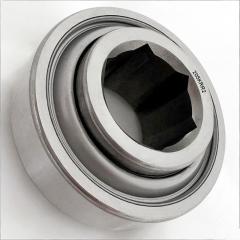
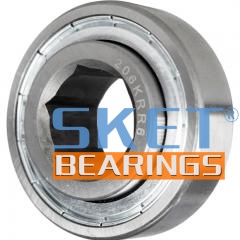
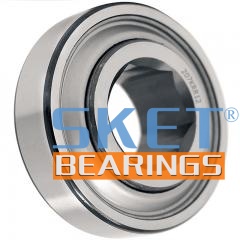
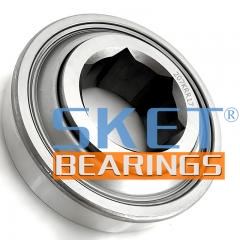
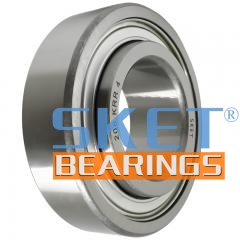
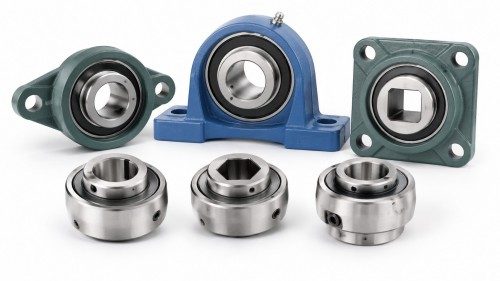
The bore configuration is also important. Agricultural bearings may have round, square or hexagonal bores, depending on the shaft design and application.
A replacement with a different bore configuration may not fit the existing shaft, even if some of its other dimensions appear similar.
For buyers sourcing bearings with different shaft configurations, refer to SKET's round bore, square bore and hex bore agricultural bearings range for relevant product options.
3.2 Check Bearing Configuration and Application Requirements
Dimensions are only part of the compatibility check. Buyers should also compare the bearing's construction and operating requirements.
Check the following details where applicable:
-
Bearing design and internal configuration
-
Seal or shield arrangement
-
Locking method
-
Housing or mounting style
-
Operating environment, including exposure to dust, moisture and other contaminants
If the original bearing has a specific sealing or locking arrangement, the replacement should be checked against that requirement rather than selected solely by its basic dimensions.
Matching dimensions alone do not confirm interchangeability. The bearing configuration and installation requirements must also be considered before approving a replacement model.
4. Identify Agricultural Bearings When Original Markings Are Missing
In some replacement situations, the original bearing number cannot be read or is no longer available. This is common with older machinery, worn components and equipment without complete spare parts records.
When the model number is missing, buyers can provide the supplier with available product and equipment information to support preliminary identification.
4.1 Use Bearing Photos and Visible Features
Clear photos can help suppliers examine the bearing's external structure and visible details.
Where possible, provide:
-
A front view showing the bore and overall structure
-
A side view showing the bearing width and profile
-
Close-up photos of any remaining markings
-
A photo of the bearing in its installation position, if available
Photos should be clear and taken from different angles. They can help narrow down possible bearing types and configurations, but they may not be sufficient to confirm an exact replacement model.
4.2 Provide Available Dimensions, Drawings or Samples
If the markings are missing, provide any dimensions or technical information that can be obtained from the original bearing.
Useful information includes:
-
Bore diameter
-
Outside diameter
-
Bearing width
-
Bore shape and locking details
-
Available drawings or equipment documentation
If the available information is still insufficient, a physical sample may be needed for further inspection and comparison.
For example, a distributor in Brazil sourcing a replacement for older agricultural machinery may only have a worn bearing and a partial equipment reference. Providing clear photos, the machinery brand and model, and available measurements gives the supplier a more useful basis for identifying possible replacement options.
The final model should be confirmed against the relevant dimensions and application requirements before ordering.
5. Prepare Agricultural Bearing Replacement Orders
After the replacement model has been identified and checked, buyers should organize the relevant information before requesting a quotation. A clear inquiry helps suppliers review the requirement and reduces unnecessary clarification during order processing.
5.1 Provide the Information Required for a Replacement Quote
A replacement inquiry should include as much of the following information as is available:
-
Original bearing number or OEM reference
-
Proposed replacement model, if already identified
-
Agricultural machinery brand and model
-
Bearing application or installation position
-
Required quantity
-
Destination country or delivery location
-
Photos, drawings or available technical details
Not every buyer will have all these details. If the original model is unknown, photos and equipment information can be provided as a starting point.
5.2 Confirm the Replacement Model Before Order Approval
Before approving an order, confirm the proposed bearing model and its relevant specifications with the supplier.
Pay particular attention to the bearing dimensions, bore configuration, mounting arrangement and other application-specific requirements.
For orders involving several models, make sure that each item is clearly identified and that the confirmed specifications correspond to the correct part number.
5.3 Finalize Quantity, Packaging and Delivery Requirements
Once the model and specifications have been confirmed, buyers can finalize the commercial details.
These normally include:
-
Order quantity for each bearing model
-
Packaging requirements
-
Delivery destination
-
Expected delivery schedule
-
Any applicable labeling or documentation requirements
Providing these details in the same inquiry helps suppliers prepare a more complete quotation.
6. Manage Multiple Bearing Models for Wholesale and Repeat Orders
Agricultural bearing distributors and importers often source several replacement models in one purchasing cycle. In these cases, organizing the model references and quantities clearly can make quotation and order confirmation more efficient.
6.1 Consolidate Multiple Models into One Purchasing Inquiry
Instead of sending separate inquiries for every bearing model, buyers can prepare a consolidated list containing the required model numbers, OEM references and quantities.
Where a model has not yet been confirmed, include the available equipment information or product photos alongside the corresponding item.
This allows the supplier to review the different requirements together and identify which models need additional verification before quotation.
6.2 Maintain Confirmed References for Repeat Orders
For repeat purchases, keep a record of the confirmed bearing model, relevant OEM reference, specifications and previous order details.
These records can help buyers identify the correct item more quickly when the same replacement requirement arises again.
If the machinery application or bearing configuration changes, the replacement should be checked again rather than relying only on an earlier order reference.
Frequently Asked Questions
1. How Can I Identify an Agricultural Bearing Without a Part Number?
Start by collecting clear photos of the bearing, its visible features and any remaining markings. Provide the machinery brand, model, installation position and available dimensions. A supplier can use this information to investigate possible replacement models, although additional measurements or a physical sample may be needed for confirmation.
2. Can I Replace an Agricultural Bearing with a Similar Model?
Not necessarily. Similar appearance or matching basic dimensions do not guarantee interchangeability. Buyers should also verify the bore configuration, mounting arrangement, locking method, sealing configuration and application requirements before selecting a replacement.
3. What Information Should I Provide When Ordering Replacement Agricultural Bearings?
Provide the original bearing number or OEM reference, machinery model, application, required quantity and delivery destination where available. If the original model is unknown, include clear photos, visible markings and any available dimensions.
4. Can Agricultural Bearing Suppliers Support Mixed-Model Wholesale Orders?
Buyers can submit a consolidated list of different bearing models and quantities for quotation. Providing OEM references, application details and photos for unidentified items can help suppliers review the requirements more efficiently.
5. What Should I Do If Several Replacement Models Match the Same OEM Reference?
Do not assume that all listed models are interchangeable. Compare their dimensions, bearing configurations and application requirements, and ask the supplier to verify the correct reference against the equipment information before placing an order.
Looking for Agricultural Bearing Replacements?
SKET supplies agricultural bearings for machinery manufacturers, distributors, importers and aftermarket parts suppliers.
Whether you are replacing a known bearing model or identifying an older component with missing markings, provide the original bearing number, OEM reference, equipment details and required quantities where available. Photos, drawings or physical samples can also support the identification process.
For mixed-model or wholesale requirements, include the model list and quantities in your inquiry.
Request an Agricultural Bearing Replacement Quote and share your bearing requirements with the SKET team.