



Introduction
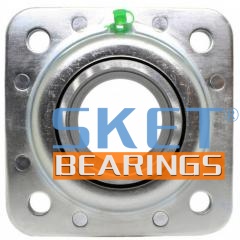
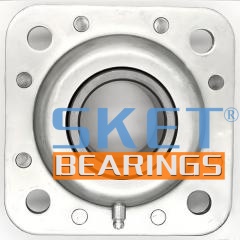
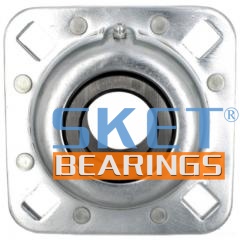
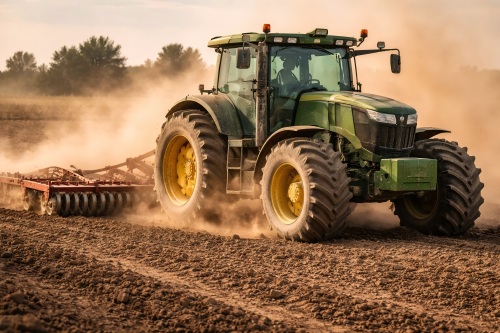
Agricultural machinery operates in some of the toughest conditions imaginable. Bearings, essential components of equipment like tractors, harvesters, and tillers, face extreme pressure, moisture, dust, and high speeds. As procurement managers, the challenge is clear: how do you select bearings that offer reliable performance while remaining cost-effective?
Key Factors to Consider When Choosing Agricultural Bearings
Selecting the right agricultural bearings is more than just a product choice; it’s a technical decision that affects machine performance, maintenance costs, and overall productivity. Below, we delve into the core engineering factors that should guide your decision-making process.
1. Material Selection: Understanding Corrosion Resistance and Durability
When it comes to agricultural bearings, the material is arguably the most crucial factor in determining its durability and resistance to environmental factors like moisture and chemicals. Bearings are exposed to dust, dirt, fertilizers, and chemicals, which can cause corrosion and premature failure.
AISI 440C Stainless Steel vs. Chromium Plated Standard Steel in Salt Spray Testing: Research comparing the performance of AISI 440C stainless steel against chromium-plated standard steel in salt spray tests shows that the former outperforms the latter in both corrosion resistance and longevity. This is particularly important in environments where bearing exposure to saline or acidic conditions is common, such as in fertilizer application.
Industry Solution Example: Leading manufacturers, such as SKET, enhance the corrosion resistance of their bearings further through proprietary heat treatment processes. These processes optimize the intergranular corrosion resistance of stainless steel bearings, ensuring superior performance in agricultural applications, especially in high-moisture environments.
2. Seal Design: Ensuring Longevity in Harsh Environments
A bearing’s seal is the first line of defense against contaminants like dirt, moisture, and chemicals. Effective sealing mechanisms prevent these elements from entering the bearing, which can degrade performance and reduce lifespan.
Double Lip vs. Single Lip Seals: Studies show that double-lip contact seals, combined with labyrinth seals, improve contamination exclusion efficiency by over 80% compared to single-lip seals. These seals are crucial in environments where dirt, dust, and chemicals are common.
3. Load and Speed: Matching Bearings to Equipment Requirements
Different agricultural machines have varying load and speed requirements. A bearing that works well in one application may not be suitable in another. It’s important to match bearings with the specific operational conditions of the equipment.
Dynamic Load vs. Static Load: Bearings designed for high-speed operations like those found in harvesting machinery must be able to withstand both dynamic and static loads without overheating or degrading. Choosing bearings with the right combination of material strength and speed tolerance ensures that they perform optimally throughout their lifecycle.
Industry Solution Example: SKET provides bearings optimized for high-load applications. Their bearings are designed with high-strength steel and special lubrication systems to handle both high-speed and high-load requirements of equipment like combine harvesters and heavy-duty tractors.
4. Bearing Fit and Bore Design
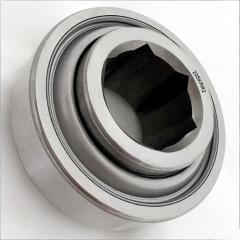
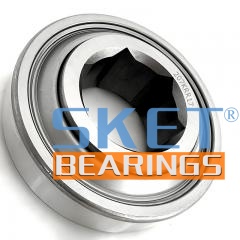
The bore design of a bearing (the hole in the center that fits onto the shaft) plays a significant role in its performance. The fit between the bearing and shaft must be precise to prevent unnecessary friction, misalignment, and wear.
Engineering Insight: Improper bore fits can cause premature bearing failure due to misalignment and excess friction. It's essential to ensure the shaft is properly aligned with the bearing to prevent additional strain on both the bearing and the equipment it supports.
Industry Solution Example: SKET’s precision-engineered bore designs ensure that their bearings fit perfectly with the shaft, minimizing friction and extending the bearing's service life. This reduces both operational downtime and repair costs in agricultural machinery.
Case Study: Real-World Impact of Strategic Bearing Selection
Let’s consider a case study of a farm that switched from a competitor's bearing to SKET bearings in their tractor fleet. Before switching, the farm faced frequent bearing replacements, with a downtime of 10 days per year on average due to bearing failures. They were using standard steel bearings with single-lip seals in environments with high dust exposure and varying humidity levels.
After switching to SKET bearings, which featured high-performance double-lip seals and corrosion-resistant materials, the farm reduced bearing replacements by 40%. The downtime was cut to just 3 days annually, significantly improving farm productivity.
Technological Advantage: The reduction in bearing replacements was primarily due to SKET’s superior seal design and material choice, which outperformed the competitor’s bearings in both dust exclusion and corrosion resistance.
Ready to make an informed bearing choice? Request a free quote or product specification sheet from our expert team today.
Conclusion: Beyond Price—Achieving Optimal Cost and Quality Balance
Selecting the right bearings is a multi-faceted decision that requires balancing cost, performance, and longevity. Achieving the optimal balance involves more than just selecting the right product from a catalog. It’s about transforming procurement into a strategic partnership with suppliers who can help you optimize your total cost of ownership (TCO).
Effective suppliers provide more than just products—they bring technical expertise that allows for the customization of bearing materials, sealing solutions, and lubrication systems tailored to your specific agricultural conditions. At SKET, we work closely with our clients to align bearing selection with equipment maintenance schedules, helping ensure the bearings’ lifespan matches the machinery’s overhaul cycle.
Ultimately, the best bearing choice isn’t just a transactional decision—it’s a strategic one. By working with a knowledgeable supplier, you can reduce long-term costs and increase the overall efficiency of your agricultural equipment.
Further Reading: